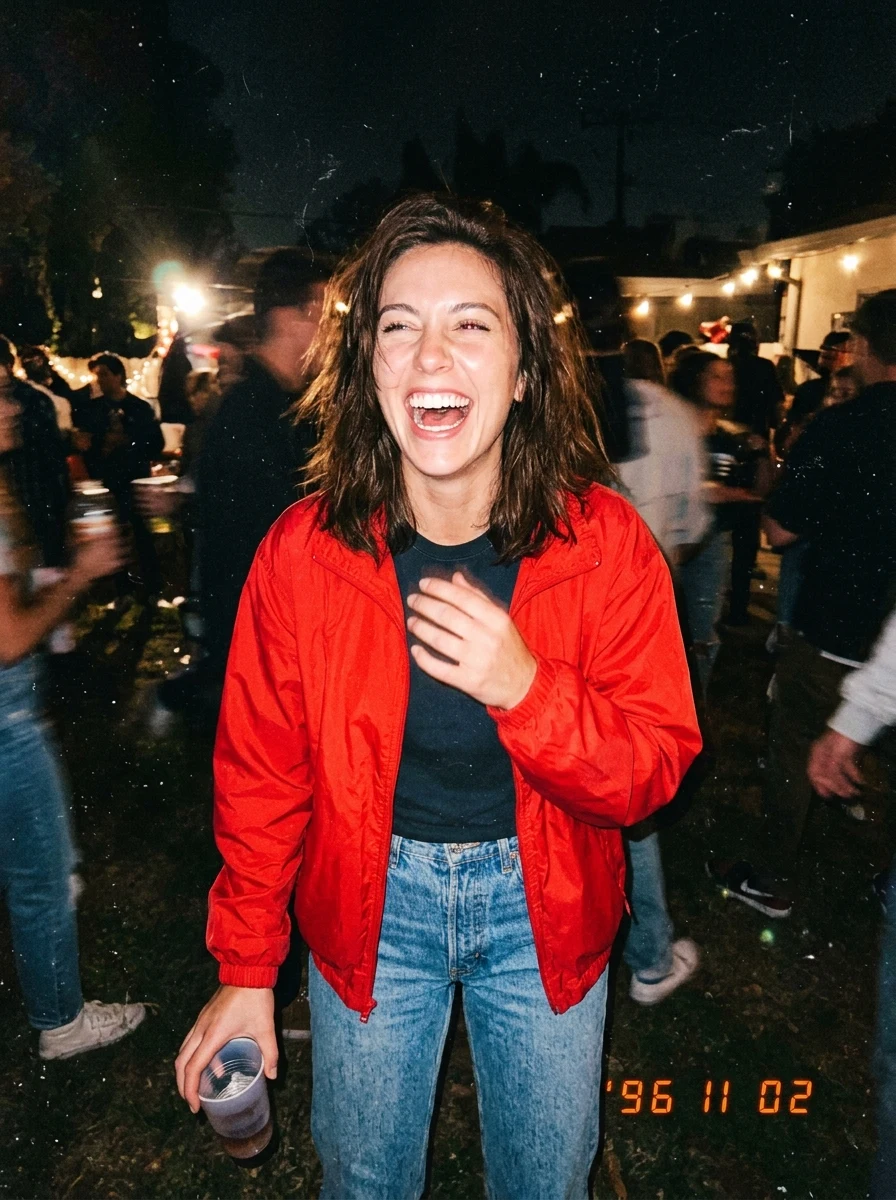
The Allure of the Analog Renaissance in the Age of AI
In an era dominated by hyper-sharp digital sensors and ultra-clean algorithmic rendering, digital creators are increasingly drawn to the warmth, imperfection, and tactile romance of 35mm analog film. There is an organic soul to chemical photography that digital pixels often fail to convey: the gentle silver halide grain structure, the soft halation around intense light sources, and the subtle color shifts inherent to chemical emulsion layers.
Fortunately, modern multimodal models like ChatGPT 4o with DALL-E possess extensive latent knowledge of historical film stocks. By knowing the precise chemical terminology, lens flaws, and processing quirks, you can instruct ChatGPT to recreate authentic analog vintage photographs that feel like rediscovered treasures from the 1970s, 1980s, or 1990s.
Understanding Film Grain vs. Digital Noise
Before writing a prompt, it is essential to understand the difference between film grain and digital sensor noise. Digital noise is an unwanted artifact caused by sensor heat and electrical interference, manifesting as ugly, multi-colored chromatic speckles in low-light zones. Film grain, by contrast, is composed of microscopic clumps of metallic silver or dye clouds embedded in the gelatin emulsion layer. It adds organic tooth, textural cohesion, and dimensional depth across the entire tonal spectrum.
To instruct ChatGPT to synthesize authentic silver grain rather than digital pixel artifacts, use terms like:
- “Organic fine silver halide grain structure”
- “Consistent optical grain across midtones and shadows”
- “Authentic 35mm celluloid film texture without digital pixel noise”
Major Analog Film Stocks and Their Prompt Signatures
Different chemical emulsions possess distinct color palettes, contrast curves, and grain characteristics. Specifying the exact film stock guides the generative engine to emulate historical color science:
1. Kodak Portra 400 (The Portrait Standard)
Renowned for its unmatched natural skin tones, soft pastel saturation, and gentle highlight roll-off. Ideal for golden hour sessions, weddings, and candid lifestyle portraits.
candid 35mm analog photograph of a 27yo woman laughing on a sunlit balcony in Lisbon, warm golden afternoon sunlight, wearing an unbuttoned vintage floral shirt, natural windblown hair, shot on Kodak Portra 400 film, natural warm skin tones, fine organic film grain, soft pastel color saturation, gentle halation around highlights, 50mm f/1.8 manual prime lens --ar 4:5
2. Fujifilm Fujicolor Superia / Pro 400H
Famous for cool, gentle pastel greens, cool cyan shadow undertones, and ethereal airiness. Exceptional for outdoor botanical gardens, coastal dunes, and morning city strolls.
editorial 35mm street portrait of a stylish young couple walking through a rain-freshened botanical garden, gentle morning overcast diffused light, shot on Fujicolor Pro 400H film, subtle cyan and sage green undertones, delicate soft grain, natural candid expressions, 35mm vintage prime lens --ar 4:5
3. Kodak Tri-X 400 / Ilford HP5 Plus (Monochrome Mastery)
The definitive reportage black-and-white stocks. Known for punchy high-contrast shadows, velvety deep blacks, and a pronounced, gritty grain structure that adds dramatic weight to street and character studies.
Prompting Vintage Lens Imperfections
Modern lenses are engineered to eliminate chromatic aberration, distortion, and vignetting. However, vintage manual glass (such as vintage Helios 44-2, Canon FD, or Leica Summicron lenses from the 1970s) was celebrated for its optical idiosyncrasies. Adding these parameters completes the vintage illusion:
- Swirly Bokeh: “Swirling background bokeh characteristic of vintage Soviet manual optics”
- Lens Halation: “Subtle warm red halation glow blooming along high-contrast highlight edges”
- Optical Vignetting: “Soft natural mechanical vignette darkening the outer frame corners gently”
Step-by-Step Prompting Strategy in ChatGPT
- Set the Photographic Persona: Start your conversation with ChatGPT by instructing it: “You are an analog photography master specializing in 35mm film emulsions and vintage prime lenses.”
- Combine Era + Chemistry + Lens: Ensure your prompt mentions the decade (e.g., “1970s documentary style”), the chemical stock (“Kodak Gold 200”), and the optical aperture (“50mm f/1.4 vintage glass”).
- Avoid Digital Terms: Never use words like “sharp 4k”, “hyper-detailed”, or “render” in vintage prompts, as they corrupt the soft analog aesthetic.
The Chemistry of Film Emulsions: Why Halation Matters
When light hits traditional color negative film, it passes through three separate chemical emulsion layers sensitive to blue, green, and red light. Beneath these light-sensitive layers lies an anti-halation backing designed to absorb excess light. In bright specular highlight areas—such as neon tubes, setting suns, or glistening jewelry—intense light punches completely through the emulsion, bounces off the camera pressure plate, and reflects back into the red layer.
This optical phenomenon produces a signature warm, reddish-orange blooming glow known as halation. Digital sensors do not produce halation; instead, blown highlights simply clip into harsh white pixels. By adding halation cues to your ChatGPT prompt, you instantly impart an unmistakable analog soul to your imagery:
"Subtle warm red optical halation blooming along high-contrast specular highlight edges"
Simulating Classic Darkroom Chemistry and Push-Processing
In analog photography, photographers frequently “pushed” their film in development (e.g. shooting 400 ISO film at 1600 ISO and developing it for longer). This process increased contrast, deepened shadows, and rendered grain significantly more pronounced and tactile. If you desire a gritty, documentary indie look, incorporate push-processing terminology:
"Pushed one stop in development for rich contrast and pronounced silver grain""Deep contrasty blacks with authentic chemical darkroom development tonality""Subtle cyan color crossover in deep shadow tones characteristic of vintage color negative printing"
Step-by-Step Vintage Prompt Recipe
nostalgic 1980s street portrait of a smiling 24yo woman leaning on a vintage sports car outside a neon-lit diner at dusk, authentic Kodak Gold 200 color balance, pronounced warm golden highlights, organic silver halide grain, gentle red halation around neon signs, soft vintage lens flare, 50mm f/1.4 manual lens --ar 4:5
By blending physical chemical terminology with specific optical vintage glass, your outputs will reliably capture the nostalgic magic of analog photography.