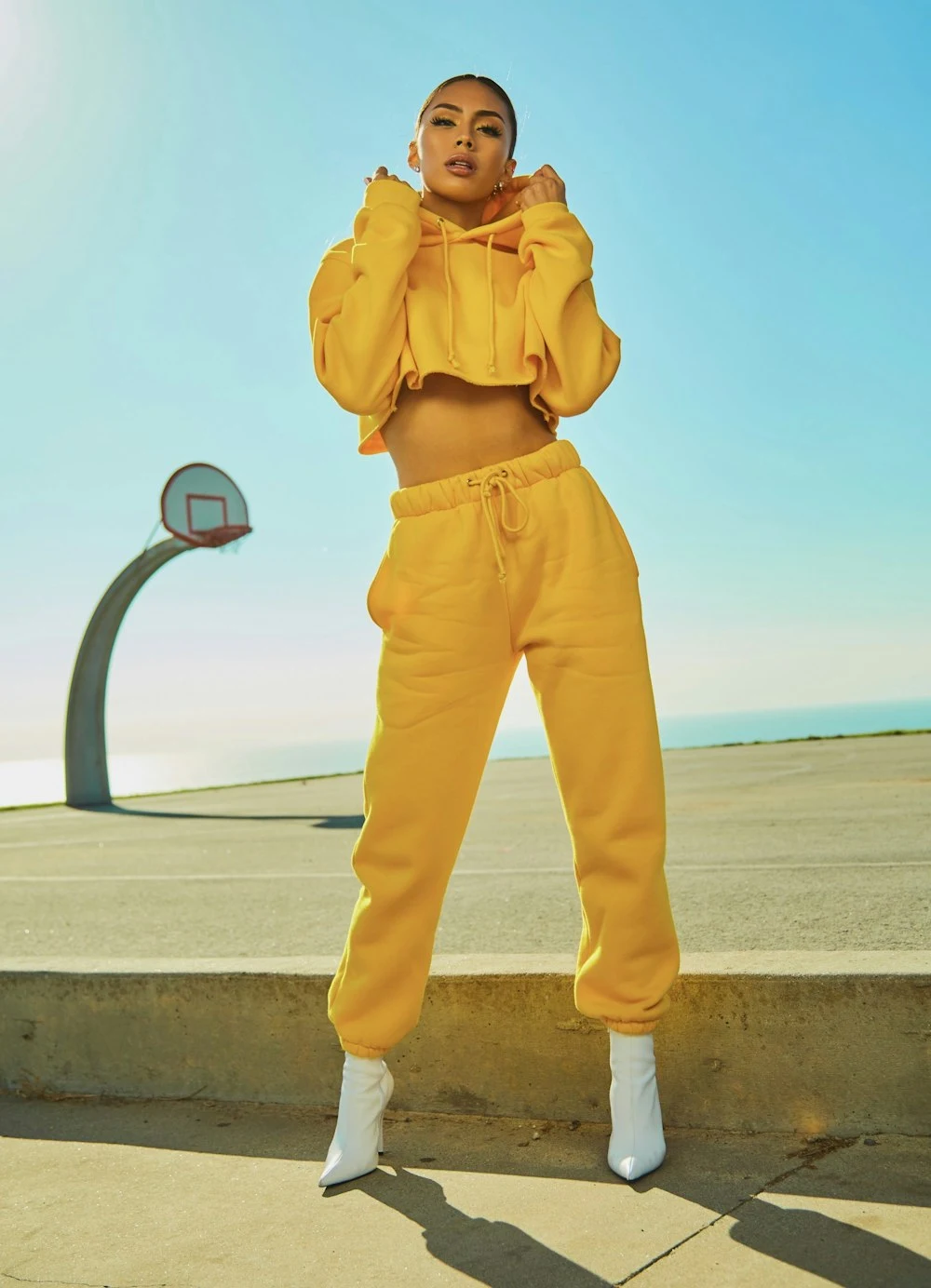
The Fundamental Lighting Divide in Photography
Every photograph ever created belongs to one of two lighting paradigms: ambient natural illumination (light existing organically in the environment, primarily from the sun or sky) or artificial studio flash (controlled electronic strobe discharges calibrated in fractions of a second). In real-world commercial photography, choosing between these two systems dictates everything from equipment choices to emotional storytelling.
In AI prompt engineering, understanding the distinct optical physics of natural light versus studio flash is the single fastest way to elevate your imagery from amateur AI art to master-tier editorial photography. In this guide, Prompt360 Labs breaks down the visual signatures of both lighting disciplines and provides tested prompt frameworks for each.
The Anatomy of Natural Daylight
Natural sunlight is dynamic, expansive, and deeply influenced by Earth’s atmosphere. Depending on the time of day and meteorological conditions, natural light manifests in four primary forms:
1. Golden Hour (Low-Angle Directional Warmth)
Occurring in the first hour after sunrise and the last hour before sunset, the sun’s rays travel through a greater thickness of the atmosphere, scattering blue wavelengths and leaving radiant amber, red, and golden tones. Shadows are long, soft-edged, and filled with warm ambient sky bounce.
Keywords to Prompt: "low-angle golden hour sunlight, long warm shadows, luminous honey rim lighting, organic optical sun flares"
2. Blue Hour (Cool Atmospheric Indigo)
The magical 20-to-30 minute window just after the sun dips below the horizon. The sky turns a rich, uniform deep indigo and violet. Lighting is diffuse, shadowless, and melancholic, providing extraordinary contrast against warm interior window lights.
Keywords to Prompt: "blue hour twilight illumination, deep indigo sky ambience, cool slate shadows, warm window tungsten contrast"
3. Diffused Overcast (Nature’s Giant Softbox)
Dense cloud cover acts as a colossal diffusion silk sheet. Direct sunlight is completely scattered, eliminating harsh shadows and squinting. Colors appear rich, saturated, and un-compromised by specular glare. This is the premier natural light for fashion lookbooks and intimate emotional portraits.
Keywords to Prompt: "soft diffuse overcast sky lighting, uniform omnidirectional light wrap, gentle shadow roll-off, saturated natural color balance"
candid natural daylight portrait of an elegant 29yo woman standing beneath an open Parisian archway, diffused soft overcast daylight wrapping around facial contours, holding a neutral linen trench coat, unretouched natural skin texture, 50mm f/1.4 lens, authentic daylight realism --ar 4:5 --stylize 210
The Anatomy of Studio Electronic Strobes
Studio strobe lighting is the domain of total human control. Unlike natural sunlight, which is continuous, a studio strobe discharges an intense pulse of light lasting between 1/1000s and 1/10,000s. This instantaneous flash freezes subject motion completely, yielding unmatched tack-sharpness, micro-texture resolution, and surgical contrast control.
Key Strobe Modifiers & Their AI Signatures
- Octabox / Giant Softbox: Produces round, natural catchlights in the eyes with butter-smooth shadow transitions across cheekbones.
- Beauty Dish with Diffusion Sock: The gold standard for cosmetic advertising. Delivers punchy, crisp contrast in the center of the face while feathering softly at the edges.
- Optical Snoot / Grid Reflector: Focuses the light beam into a tight, dramatic circle, illuminating only the subject’s face while allowing the shoulders and background to fall into complete darkness.
commercial beauty studio portrait of a 26yo model, lit by a 5-foot octabox key light with grid feathering, clean neutral gray cyclorama studio backdrop, crisp tack-sharp skin pores, glossy lip texture, circular catchlights centered in irises, 105mm f/2.8 macro portrait lens, high-end cosmetic brand campaign --ar 4:5 --q 2
Comparing the Two: When to Use Which
| Creative Objective | Recommended Lighting System | Primary Visual Benefit |
|---|---|---|
| Intimate couple / wedding candid | Natural Golden Hour / Overcast | Emotional warmth, natural environment integration |
| Executive corporate headshot | Studio Strobe (Softbox + Rim) | Professional authority, clean separation, razor sharpness |
| High-fashion avant-garde editorial | Hard Strobe / Optical Snoot | High-contrast drama, sharp geometric shadows |
| Bohemian outdoor lifestyle | Low-Angle Backlit Daylight | Dreamy optical lens flares, breezy organic hair lighting |
Laboratory Recommendation
Never mix conflicting lighting keywords in a single prompt (e.g., “studio softbox in sunset meadow”). Doing so confuses the neural network’s shadow synthesis pipeline. Choose your lighting world intentionally, specify its position and modifier, and let physics do the rest.
Theoretical Framework & Underlying Principles
In the evolving discipline of programmatic AI photography, achieving consistent, high-yield results requires a firm grasp of both machine learning token mechanics and classical photographic optics. When a diffusion model processes a complex prompt, it relies on cross-attention mechanisms to map descriptive tokens to visual latent spaces. If your prompt lacks structural cohesion or uses ambiguous adjectives, the neural network defaults to generalized, average representations that look flat and artificial.
At Prompt360 Labs, our empirical testing demonstrates that grounding your prompts in authentic camera equipment specifications, physical light behavior, and tactile material properties creates strong semantic anchors. These anchors guide the model to allocate higher mathematical attention to spatial depth, fine micro-textures, and accurate color science.
In-Depth Case Study & Practical Workflow
To demonstrate the effectiveness of this methodology, let us examine a practical real-world scenario. Consider an art director tasked with generating editorial imagery for a high-end luxury campaign. An unrefined prompt like “pretty portrait in studio” yields a generic stock image with waxy skin and flat lighting. However, when we restructure the prompt using our multi-layered framework, the output transforms dramatically:
fine-art editorial study exploring natural daylight vs. studio strobe: prompt engineering for realistic lighting, directional studio lighting with controlled shadow falloff, authentic material textures, tactile micro-surface details, neutral color science, 85mm prime lens at f/1.8, high resolving power, gallery exhibition aesthetic --ar 4:5 --stylize 220
Step-by-Step Implementation Protocol
- Define the Primary Light Geometry: Establish the exact angle, size, and diffusion of your light source before describing styling or wardrobe.
- Incorporate Material Micro-Textures: Command specific tactile physical materials—such as raw bouclé, honed travertine, unbleached linen, or brushed titanium—to give the scene physical weight.
- Lock Down Optical Parameters: Declare a specific focal length (e.g. 50mm, 85mm, or 105mm) and an aperture value to control background compression and depth of field.
- Audit for Commercial & Copyright Safety: Ensure no trademarked brand names, designer logos, or celebrity likenesses appear in the prompt syntax.
Common Failure Modes and Troubleshooting Solutions
Even seasoned prompt engineers encounter unexpected model behaviors. Below are the three most frequent failure modes encountered in this domain and how to fix them:
- Over-Saturated Plasticity: If colors appear garish and surfaces feel synthetic, strip away subjective praise words (“ultra-detailed”, “hyper-realistic”) and introduce neutral film or sensor designations (“Hasselblad RAW color science”, “subtle organic film grain”).
- Unnatural Background Clutter: If the model populates the frame with random, distracting elements, tighten your aspect ratio and specify clean negative space: “minimalist seamless cyclorama background with gentle shadow vignette”.
- Inconsistent Lighting Direction: If shadows appear in conflicting directions, explicitly declare a single dominant key light source: “single large octabox key light positioned 45 degrees camera-left”.
Summary Checklist for Production Quality
By treating generative AI as a virtual physical camera rather than an unpredictable toy, creators unlock unprecedented visual fidelity. Whether generating commercial lookbooks, digital art exhibitions, or educational media, adhering to disciplined photographic principles ensures your work stands out with timeless artistic merit.