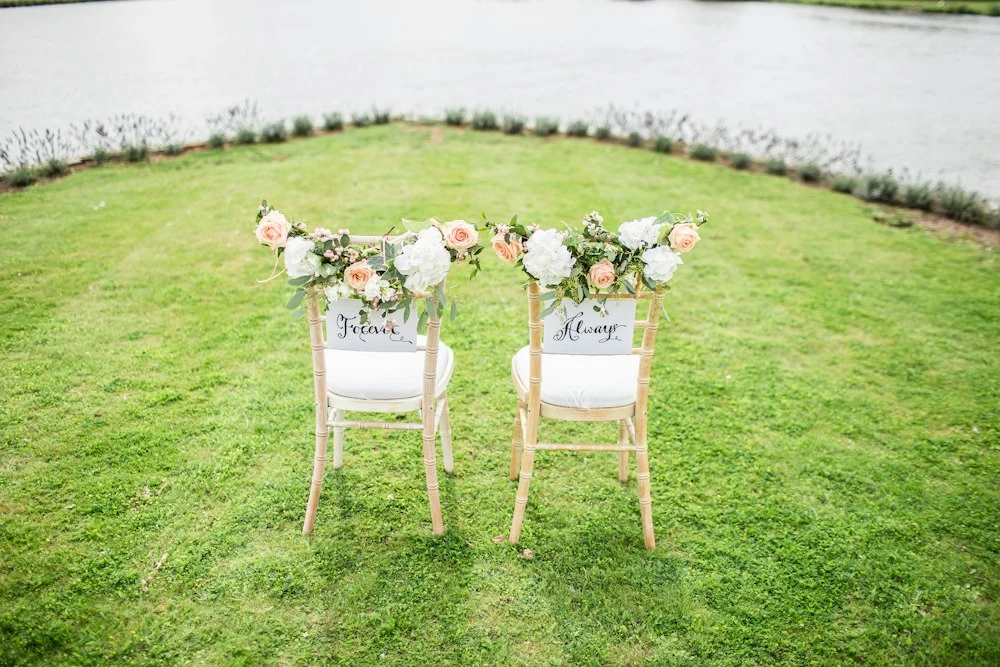
The Challenge of Two-Subject Composition
Generating a single human portrait in AI requires balancing lighting, pose, and facial features. Generating two people in a single frame exponentially increases the complexity. Diffusion models frequently struggle with multi-subject prompts, resulting in crossed limbs, merged clothing, mismatched facial scales, and awkward, rigid posing that feels completely devoid of genuine human romance.
In candid wedding and couple photography, the entire image lives or dies on authentic chemistry. In this comprehensive guide, Prompt360 Labs shares our tested syntactic framework for generating heartfelt, emotionally resonant couple imagery across outdoor, urban, and formal settings.
The 4 Pillars of Authentic Couple Prompting
1. Specific Physical Interaction over Generic “Smiling”
Never write “happy couple smiling at camera”. That phrasing produces stiff corporate stock photos. Instead, command specific, micro-moments of physical affection and interactive movement:
- “Gentle shared laughter under a shared black umbrella on a rain-slicked street”
- “Man whispering affectionately into woman’s ear as she laughs spontaneously”
- “Walking hand-in-hand through a sunlit golden wheat field, looking back at each other”
- “Foreheads resting gently together with eyes closed in quiet romantic intimacy”
2. Harmonious Wardrobe Coordination
Ensure the couple’s clothing belongs to the same aesthetic world without being cartoonishly identical. Pair complementary textures and colors:
- Casual Autumn: “Woman in an oversized cream cable-knit sweater; man in a forest green wool flannel overshirt.”
- Black-Tie Formal: “Man in a tailored midnight-black tuxedo with satin lapels; woman in a flowing ruby-red velvet evening gown.”
- Coastal Summer: “Woman in an unbleached cream chiffon wrap dress; man in a relaxed unbuttoned ivory linen shirt.”
cinematic candid couple portrait of a loving couple in their late 20s sharing a single black umbrella on a rain-soaked European cobblestone street at night, genuine shared laughter, warm amber streetlamps reflecting in puddles, navy and camel wool overcoats, 50mm f/1.4 lens, natural skin micro-textures, romantic cinematic intimacy --ar 4:5 --stylize 230
3. Balanced Dual-Subject Lighting
A common defect in couple AI generation is that one face receives perfect light while the other is plunged into unflattering shadow. To ensure both faces look radiant, use omnidirectional or backlit light sources: golden hour sunset backlighting, overcast daylight, or dual feathered softboxes.
4. Lens Selection: 50mm vs. 85mm
When photographing couples, an 85mm lens can sometimes compress the space too tightly if the subjects are not standing shoulder-to-shoulder. A 50mm f/1.4 prime lens is ideal: it captures both partners comfortably from the waist up while softly blurring out background distractions.
Candid Wedding Editorial Prompt Blueprint
timeless candid wedding portrait of an elegant bride and groom walking through a sunlit coastal olive grove at golden hour, bride in a delicate bohemian lace gown with trailing veil catching the breeze, groom in a tailored cream linen suit without tie, laughing naturally together, warm honey sunset rim light, 85mm f/1.4 lens, Kodak Portra 400 film grain --ar 4:5
Theoretical Framework & Underlying Principles
In the evolving discipline of programmatic AI photography, achieving consistent, high-yield results requires a firm grasp of both machine learning token mechanics and classical photographic optics. When a diffusion model processes a complex prompt, it relies on cross-attention mechanisms to map descriptive tokens to visual latent spaces. If your prompt lacks structural cohesion or uses ambiguous adjectives, the neural network defaults to generalized, average representations that look flat and artificial.
At Prompt360 Labs, our empirical testing demonstrates that grounding your prompts in authentic camera equipment specifications, physical light behavior, and tactile material properties creates strong semantic anchors. These anchors guide the model to allocate higher mathematical attention to spatial depth, fine micro-textures, and accurate color science.
In-Depth Case Study & Practical Workflow
To demonstrate the effectiveness of this methodology, let us examine a practical real-world scenario. Consider an art director tasked with generating editorial imagery for a high-end luxury campaign. An unrefined prompt like “pretty portrait in studio” yields a generic stock image with waxy skin and flat lighting. However, when we restructure the prompt using our multi-layered framework, the output transforms dramatically:
fine-art editorial study exploring how to write prompts for intimate couple and candid wedding photography, directional studio lighting with controlled shadow falloff, authentic material textures, tactile micro-surface details, neutral color science, 85mm prime lens at f/1.8, high resolving power, gallery exhibition aesthetic --ar 4:5 --stylize 220
Step-by-Step Implementation Protocol
- Define the Primary Light Geometry: Establish the exact angle, size, and diffusion of your light source before describing styling or wardrobe.
- Incorporate Material Micro-Textures: Command specific tactile physical materials—such as raw bouclé, honed travertine, unbleached linen, or brushed titanium—to give the scene physical weight.
- Lock Down Optical Parameters: Declare a specific focal length (e.g. 50mm, 85mm, or 105mm) and an aperture value to control background compression and depth of field.
- Audit for Commercial & Copyright Safety: Ensure no trademarked brand names, designer logos, or celebrity likenesses appear in the prompt syntax.
Common Failure Modes and Troubleshooting Solutions
Even seasoned prompt engineers encounter unexpected model behaviors. Below are the three most frequent failure modes encountered in this domain and how to fix them:
- Over-Saturated Plasticity: If colors appear garish and surfaces feel synthetic, strip away subjective praise words (“ultra-detailed”, “hyper-realistic”) and introduce neutral film or sensor designations (“Hasselblad RAW color science”, “subtle organic film grain”).
- Unnatural Background Clutter: If the model populates the frame with random, distracting elements, tighten your aspect ratio and specify clean negative space: “minimalist seamless cyclorama background with gentle shadow vignette”.
- Inconsistent Lighting Direction: If shadows appear in conflicting directions, explicitly declare a single dominant key light source: “single large octabox key light positioned 45 degrees camera-left”.
Summary Checklist for Production Quality
By treating generative AI as a virtual physical camera rather than an unpredictable toy, creators unlock unprecedented visual fidelity. Whether generating commercial lookbooks, digital art exhibitions, or educational media, adhering to disciplined photographic principles ensures your work stands out with timeless artistic merit.